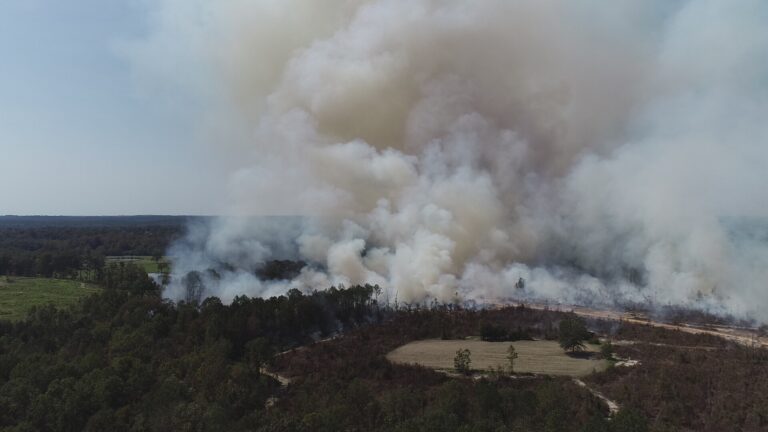
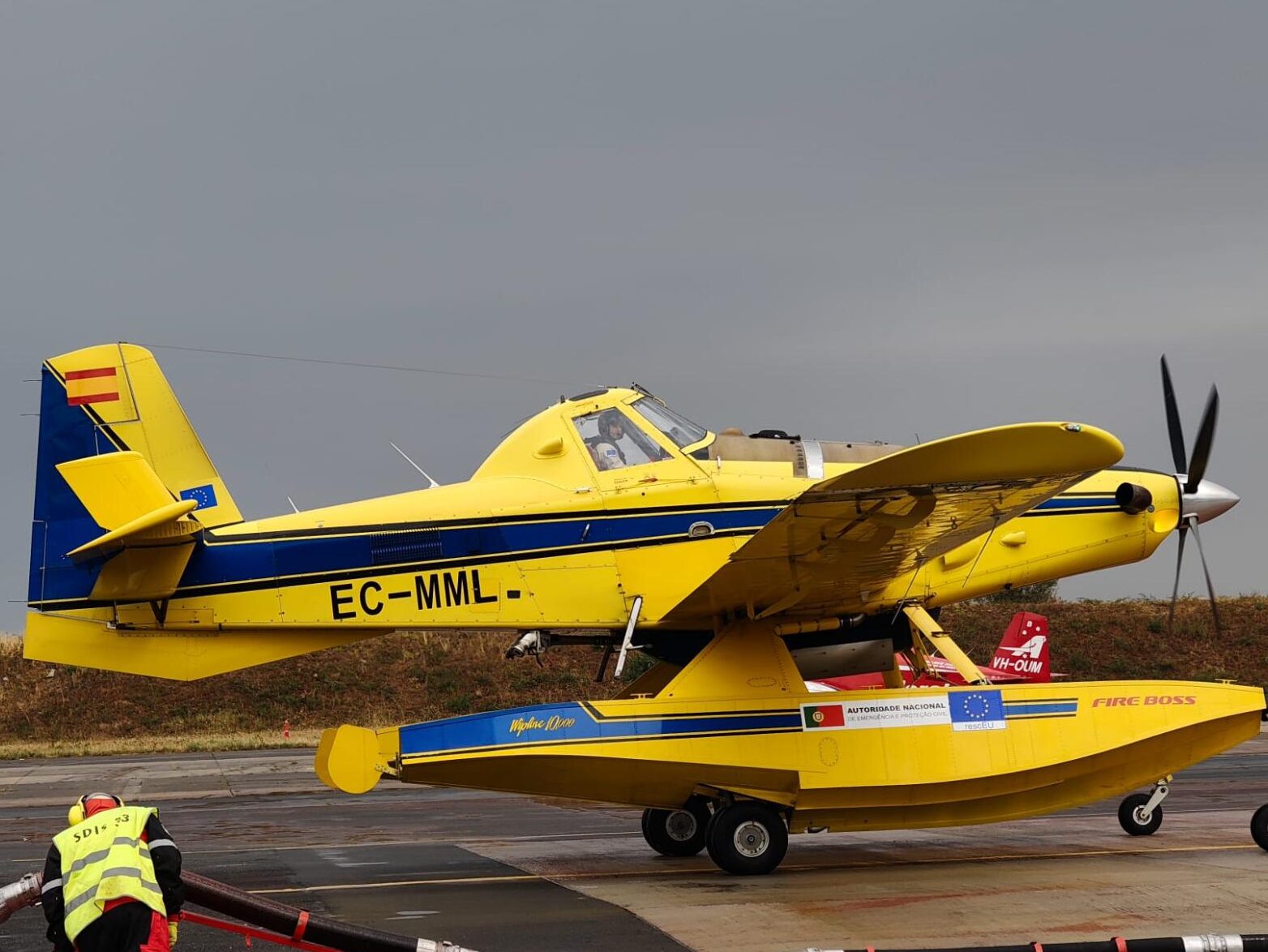

The European Union has deployed firefighting aircraft, helicopters and emergency personnel to France and Spain through the EU Civil Protection Mechanism as wildfires continue to spread across both countries.
The fires have triggered one of Europe’s largest evacuation operations, with more than 300,000 people displaced across France and Spain.
Firefighting resources deployed
In France, the EU has deployed seven aircraft and four helicopters from Czechia, Croatia, Germany, Portugal, Slovakia, Sweden and Türkiye. Most of the aircraft form part of the rescEU firefighting fleet.
In Spain, six firefighting aircraft from Greece, Italy and Türkiye have been mobilised, alongside 134 personnel and 41 vehicles from Portugal.
The EU’s Copernicus satellite service is also providing rapid emergency mapping to support operations on the ground.
Coordinated European response
The European Commission’s Emergency Response Coordination Centre remains in close contact with the French and Spanish authorities to assess any additional support that may be required.
A European Commission liaison officer has also been deployed to Bordeaux to assist with coordinating EU assistance.
As part of preparations for the 2026 wildfire season, firefighting teams from several European countries had already been pre-positioned in France and Spain before the fires began, allowing them to reinforce national emergency services immediately.
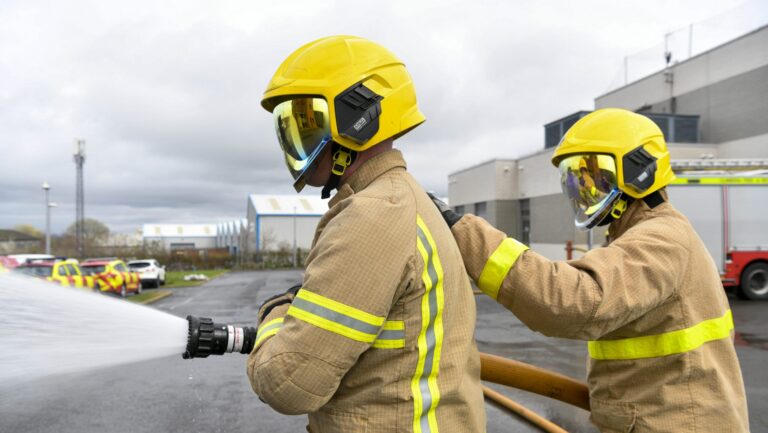
Commissioner for Preparedness and Crisis Management, Hadja Lahbib, said: “Right now, hundreds of thousands of people have been forced to flee their homes, while firefighters battle walls of flame in dramatic conditions to save lives and communities.
“No country should ever have to face a disaster of this scale alone. That is exactly why Europe built a common response capacity: aircraft in the sky, firefighters on the ground, and more support standing ready the moment it is needed.
“To the people of France and Spain: Europe will stand with you until the fires are out.”
Civil Protection Mechanism
When a country requests assistance through the EU Civil Protection Mechanism, the request is shared with all 37 participating countries, which can offer aircraft, helicopters, firefighting teams, equipment or specialist personnel.
The European Commission coordinates and co-finances the deployment of the assistance. If national resources are insufficient, the EU can also draw on rescEU, its strategic emergency reserve, which includes a fleet of 22 firefighting aircraft and five helicopters.