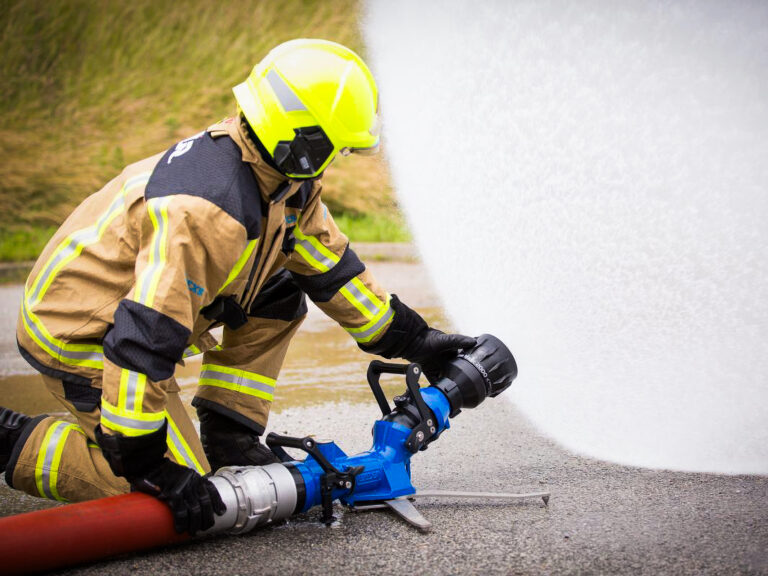
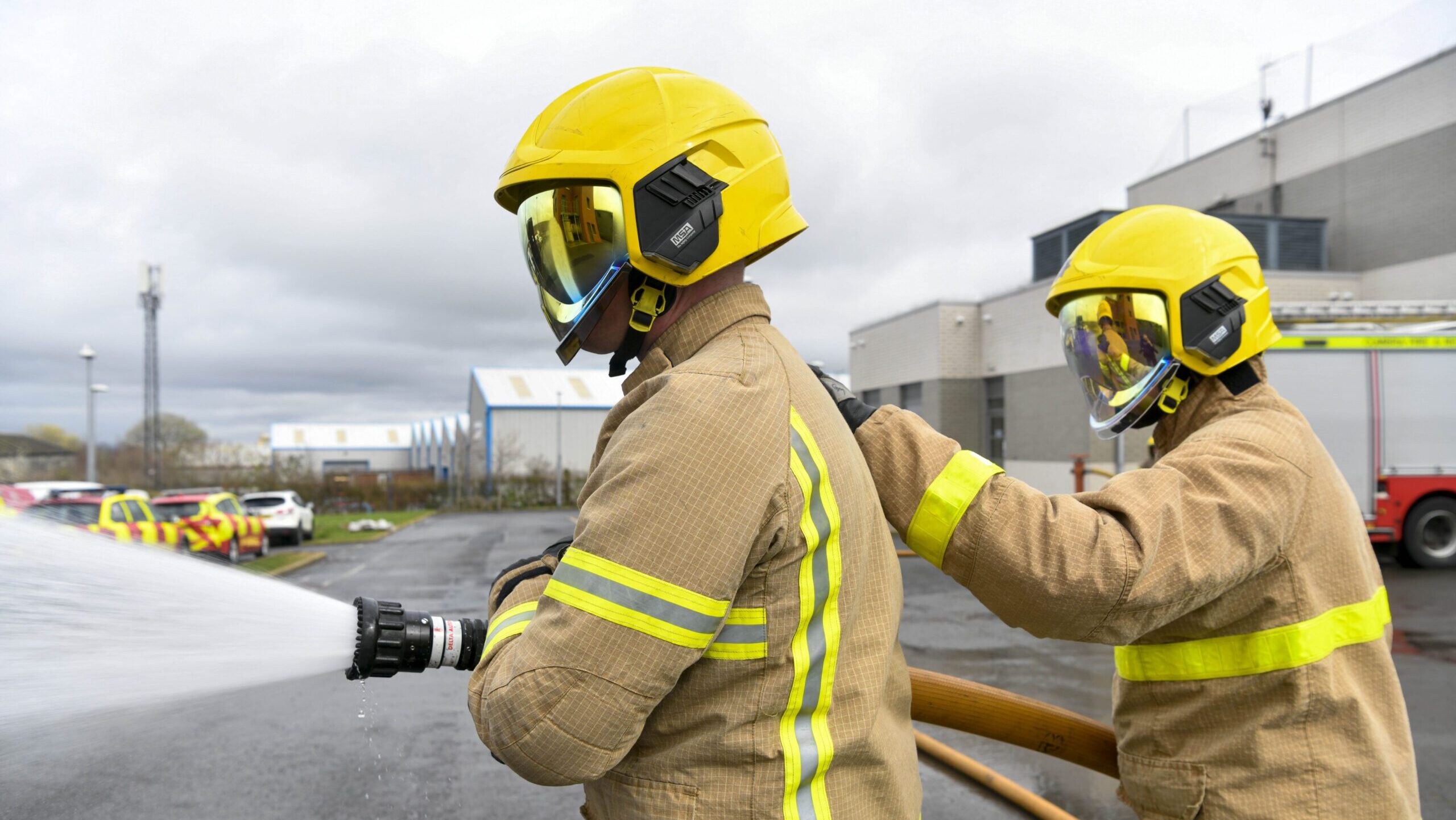

Fire and rescue services are changing emergency response arrangements because of concerns over access to adequate firefighting water, according to the National Fire Chiefs Council (NFCC).
NFCC’s new Water Supplies for Firefighting Position Statement warns about the reliability, affordability and resilience of water infrastructure used by firefighters.
Fire services change response plans
An NFCC survey conducted during summer 2026 found that 81% of responding UK fire and rescue services had changed planned response levels in areas where sufficient firefighting water was difficult to access.
More than half had introduced additional measures following significant water supply outages.
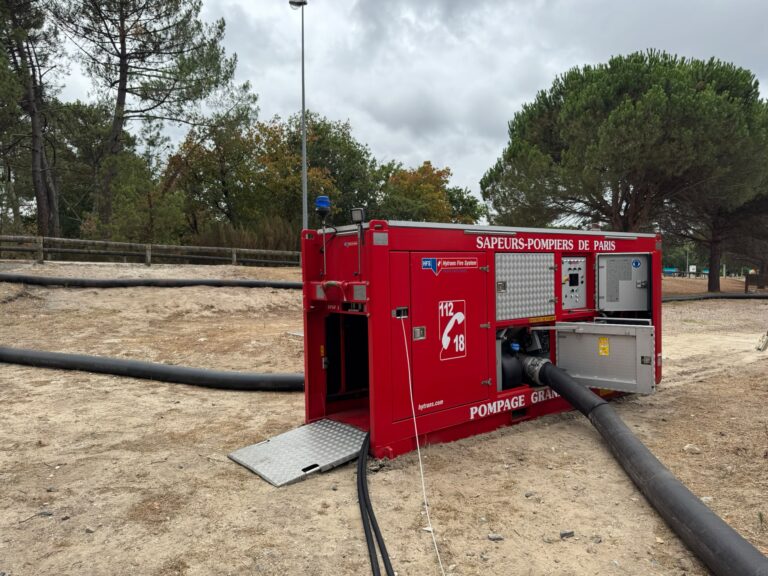
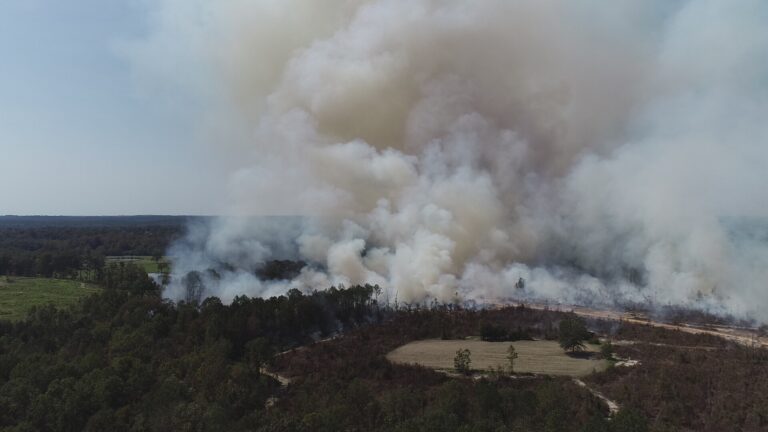
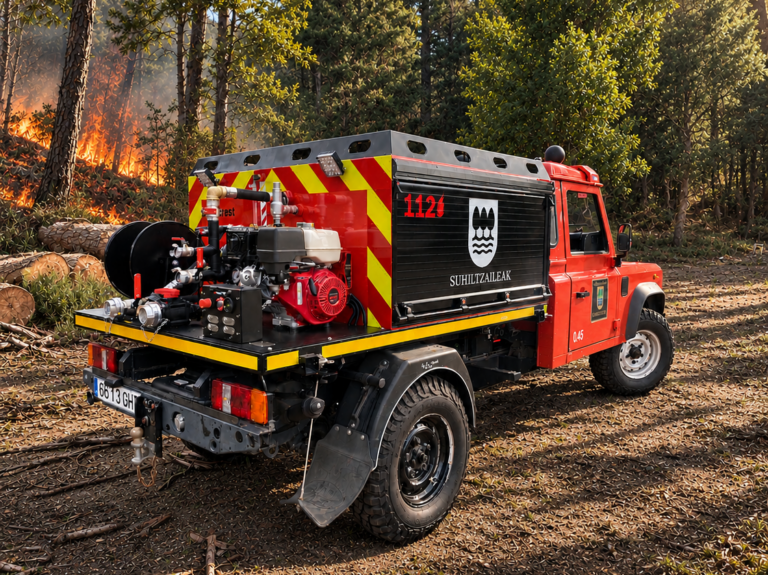
During the Stourbridge wildfire, West Midlands Fire Service experienced water pressure problems over several days. Crews used a High Volume Pumping Unit to maintain supplies, while replenishing a water carrier took almost 40 minutes at one stage.
Hydrant costs increase
Fire services have reported inadequate hydrant flow and pressure, delays to infrastructure installation and repairs, inconsistent engagement with water companies and increasing maintenance costs.
NFCC said hydrant installation and maintenance charges increased by an average of 85% between 2014 and 2024, with limited transparency reported around how charges are calculated.
NFCC calls for national standards
NFCC Chair, Phil Garrigan, said: “Firefighters cannot fight fires without water. That sounds obvious, yet our evidence shows four in five fire and rescue services have had to change response plans because of concerns about firefighting water supplies.
“We saw the impact of these challenges during the Stourbridge wildfires, where issues with water pressure created additional operational difficulties for crews tackling a major incident.
“The demands on fire and rescue services are growing, with larger wildfires, extreme weather and increasingly complex risks. As the task becomes more challenging, the very least firefighters should be able to rely on is access to the water they need to protect people and property.”
The organisation is calling for national standards covering firefighting water provision, stronger accountability for water companies and greater transparency around hydrant charges.
NFCC also wants fire and rescue services recognised as key stakeholders in future water sector regulation and planning.
Its position statement warns that climate change, drought, population growth, housing development, data centres and battery energy storage systems are placing additional demands on water infrastructure.
NFCC believes forthcoming water sector reforms provide an opportunity to ensure firefighting requirements are considered in future infrastructure and investment decisions.