
The UK government has introduced the Building Safety (Remediation of Unsafe Cladding Etc.) Bill to accelerate the removal of unsafe cladding from residential buildings across England.
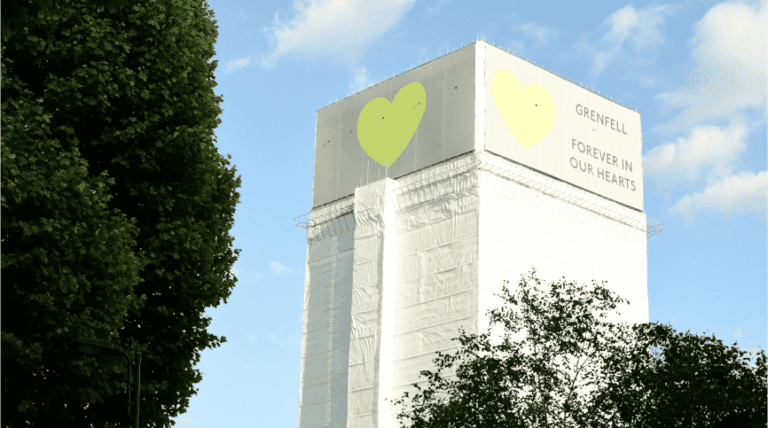
Introduced to Parliament on 14 October, the legislation builds on the Remediation Acceleration Plan and aims to address delays in making buildings safe following the Grenfell Tower tragedy.
The government estimates that approximately 12,000 residents could benefit from the proposed measures.
Strengthening building safety enforcement
The Bill would introduce a legal duty requiring those responsible for residential buildings over 11 metres to identify, assess and remediate safety defects without unnecessary delay.
Regulators would receive additional enforcement powers, including criminal prosecution for serious breaches and financial penalties of up to £500,000.
Public authorities, including Homes England and local councils, could intervene where responsible parties repeatedly fail to undertake remediation.
Holding construction product manufacturers accountable
The legislation would expand opportunities to recover remediation costs from manufacturers responsible for supplying unsafe construction products.
Developers would also gain additional routes to pursue claims.
The government estimates that developers participating in the Developer Remediation Contract will contribute approximately £4.2 billion towards remediation.
Introducing a national building register
A national register would be established for residential buildings between 11 and 18 metres tall, helping identify properties requiring assessment.
The Bill would also introduce consistent Fire Risk Appraisals of External Walls, supported by independent auditing.
Failure to register could result in civil penalties starting at up to £7,000.
Accelerating remediation deadlines
The government expects every residential building over 11 metres with unsafe cladding to be remediated or have a confirmed completion date by the end of 2029.
Baroness Blake of Leeds said the legislation would strengthen accountability, improve regulatory intervention and provide residents with clearer routes to remediation.
The proposals are intended to improve building safety and restore confidence among affected residents.