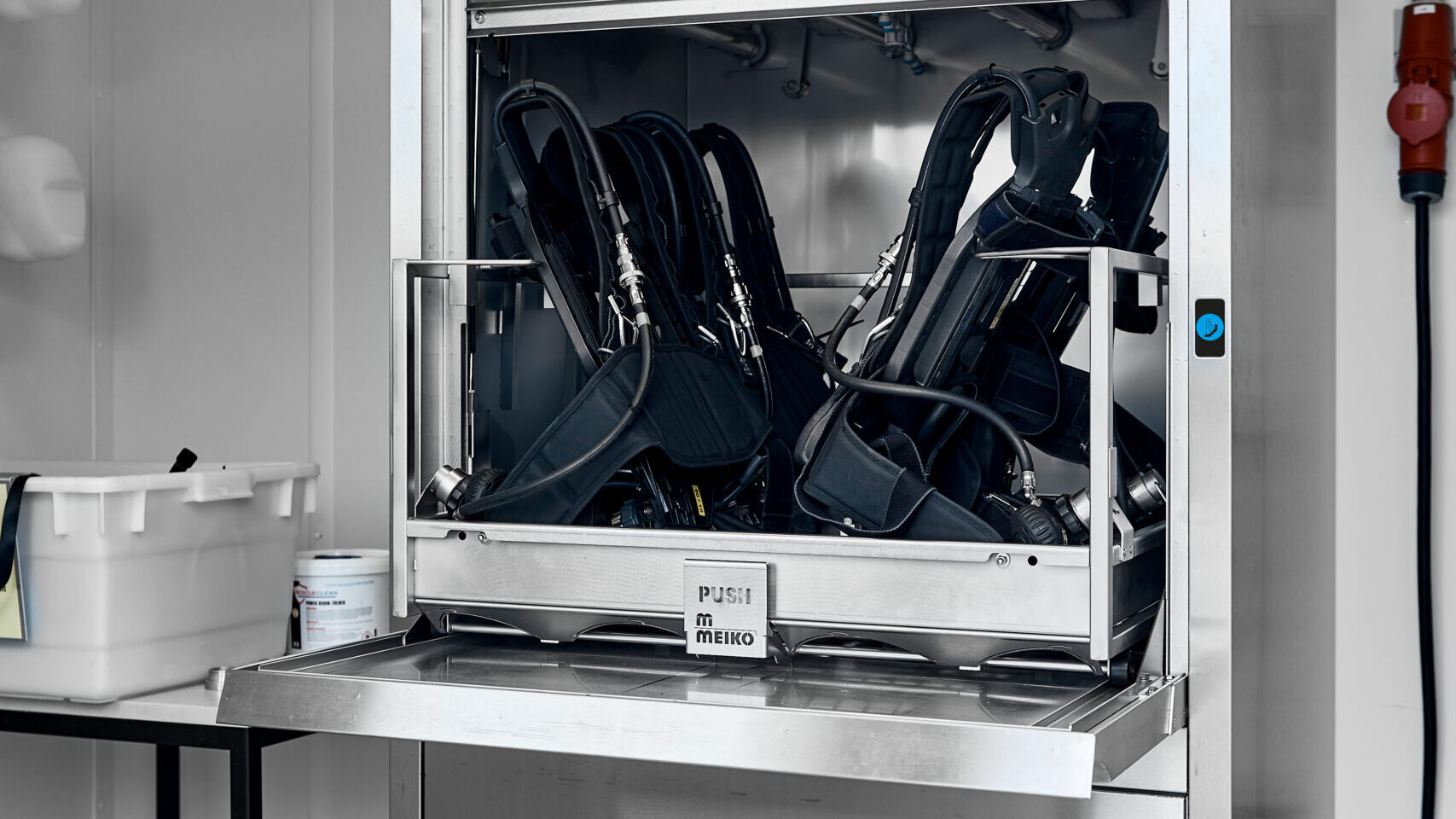

Meiko explains why many fire departments are moving away from manual cleaning processes.
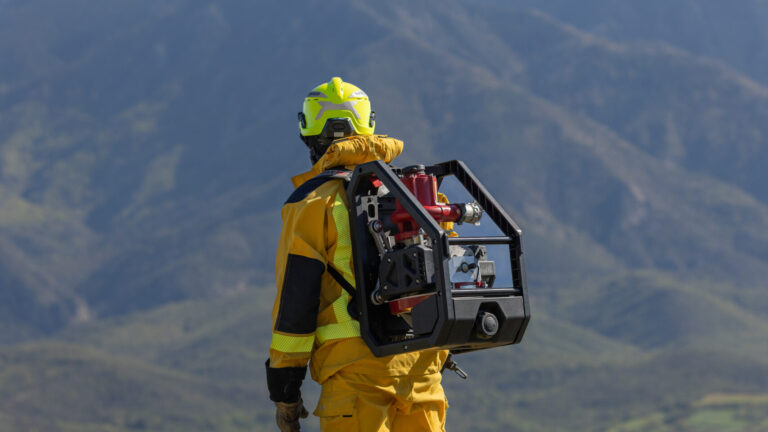
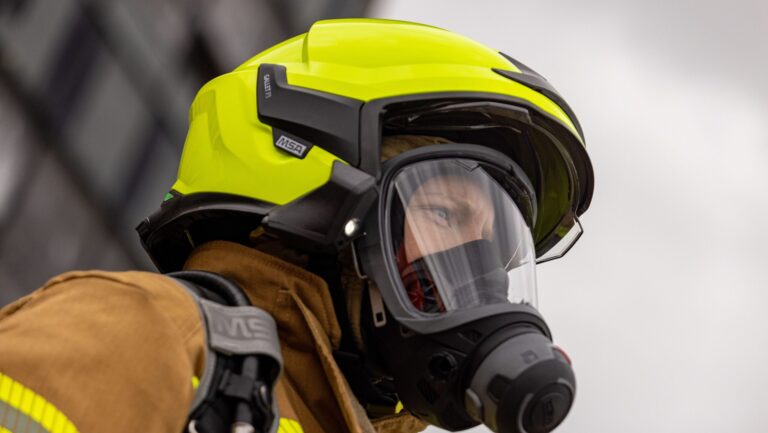
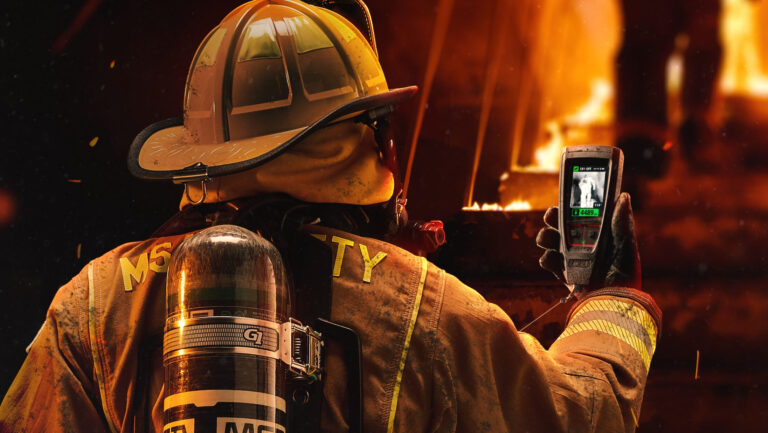
When firefighters enter a burning structure, they place complete trust in their self-contained breathing apparatus (SCBA). In a hostile environment filled with smoke, toxic gases and reduced visibility, respiratory protection is often the single most important piece of life-saving equipment they carry.
But that level of trust is not built solely on the quality of the equipment itself. It also depends on everything that happens before and after an incident. Inspection, cleaning, maintenance and testing are all essential elements in ensuring that respiratory protection equipment functions safely and reliably when required. Failure at any stage of that process can have serious consequences for the firefighter who depends on it.
Increasingly, fire departments across Europe and North America are taking a closer look at how respiratory protective equipment is cleaned and maintained. While manual cleaning has been the standard approach for decades, growing concerns about contamination, consistency, occupational health and workflow efficiency are driving a shift towards automated, validated cleaning processes.
At the centre of this is a question: should cleaning be treated as a simple task, or as part of a controlled maintenance process?
What are the limits of manual cleaning?
Manual cleaning has long been regarded as a practical and economical method of maintaining SCBA masks and associated equipment. However, as respiratory protection systems have become more sophisticated and awareness of contamination risks has increased, the limitations of manual cleaning have become more apparent. The greatest challenge is consistency.
A manual process relies heavily on the knowledge, experience and attention of the individual technician. Even in well-managed workshops, variations can occur. Chemical concentrations may differ between cleaning sessions, exposure times may vary, and cleaning coverage can be inconsistent. Interruptions during the work process can further affect results.
Human error is not unique to PPE maintenance, but in respiratory protection it carries particular significance. A cleaning procedure that is not performed according to specification can potentially affect both hygiene and equipment integrity.
Fire services are increasingly expected to demonstrate that maintenance procedures are repeatable, documented and compliant with manufacturer requirements. Achieving this level of consistency with manual processes can be challenging, particularly in busy workshops where technicians are balancing multiple responsibilities.
As a result, many organisations are moving away from a reliance on individual practices and towards standardised, machine-based workflows that reduce variability and improve control.