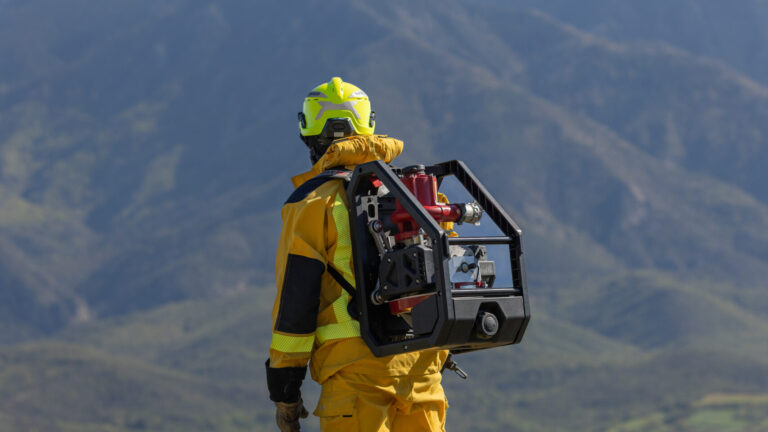

Fischer Panda explains why the next evolution in fire appliance design is air quality inside the fire appliance.
Engineering clean air: the next evolution in fire appliance design
For decades, the fire and rescue sector has made significant strides in protecting firefighters from the immediate dangers of operational incidents. Advances in personal protective equipment, breathing apparatus, vehicle design and decontamination procedures have all contributed to improving firefighter safety on the incident ground.
Today, however, attention is increasingly turning towards a different type of risk: one that is far less visible, but potentially just as significant over the course of a firefighter’s career. Occupational cancer is now recognised as one of the most significant long-term health challenges facing the global fire service. In 2022, the International Agency for Research on Cancer (IARC), the cancer agency of the World Health Organization, classified occupational exposure as a firefighter as carcinogenic to humans (Group 1) following a comprehensive review of the available scientific evidence. The evaluation concluded there was sufficient evidence linking occupational firefighting exposure to mesothelioma and bladder cancer, alongside strong mechanistic evidence that firefighters are routinely exposed to multiple carcinogenic agents.
Much of the industry’s response has focused on the incident itself. Improved contamination control, enhanced PPE, on-scene decontamination procedures and the introduction of clean cab practices have all helped reduce firefighters’ contact with harmful combustion by-products. Yet one environment often receives considerably less attention: the fire appliance itself.
Exposure does not end at the scene
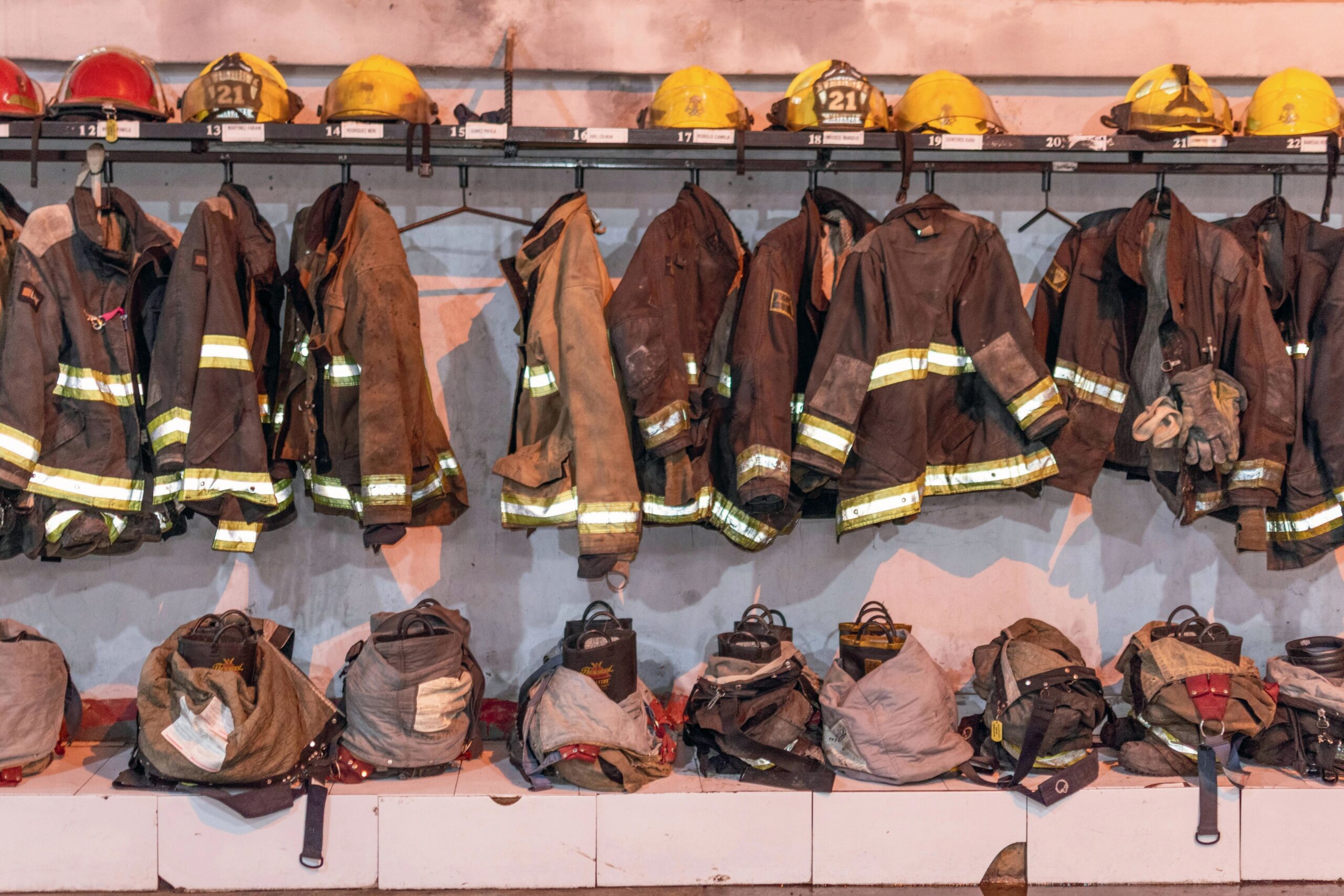
Modern fires generate an increasingly complex mixture of contaminants. Fine particulates, polycyclic aromatic hydrocarbons (PAHs), benzene, volatile organic compounds and other toxic combustion by-products readily attach themselves to protective clothing, breathing apparatus, equipment and tools. Even after crews leave the incident ground, these contaminants continue to travel with them.
Inside the enclosed environment of a fire appliance, contaminants carried on PPE and operational equipment can become re-suspended into the air through normal vehicle movement, airflow and routine handling of equipment. The journey back to station, often regarded as the transition away from operational risk, can therefore become another period of continued exposure.
Unlike the fireground itself, where respiratory protection is well established, the vehicle cab has traditionally been viewed as a clean environment. However, research over recent years has challenged this assumption, highlighting the cab as another potential exposure pathway requiring closer attention.
This growing understanding is changing the conversation across the sector.
TO READ THE FULL ARTICLE, READ OUR NEW ISSUE.