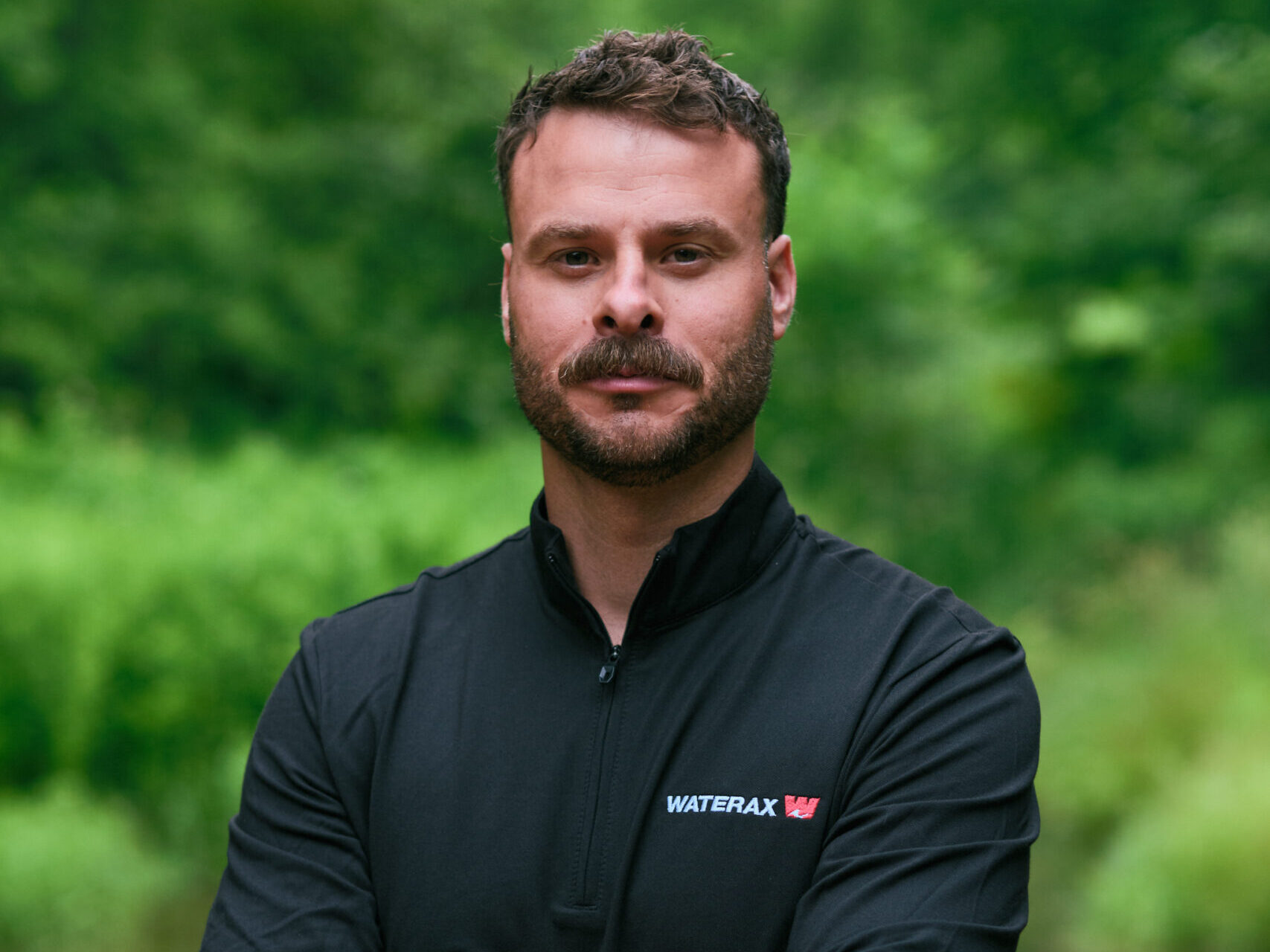

Anthony Trojko, Account Manager at WATERAX, discusses how portable pumping technology is evolving to meet the demands of modern wildfire suppression.
Please introduce yourself and give us an insight into your background
My name is Anthony Trojko, and I am Account Manager for WATERAX, responsible for developing our wildfire business across Europe, the Middle East, and Africa. My role involves working closely with fire agencies, OEM vehicle manufacturers, distributors, and wildfire specialists to understand operational needs and develop fire pump solutions tailored to today’s increasingly demanding wildfire environment.
Before joining WATERAX, I served as a volunteer firefighter for several years in southern France, where I gained experience fighting wildfires in Mediterranean environments. This gave me a better understanding of the operational challenges faced by European wildfire units.
I then had the opportunity to join the North-Peace Smokejumpers in British Columbia, Canada. Those years were incredibly rewarding, both professionally and personally. Operating in some of the most remote wilderness areas, I was immersed in a completely different approach to wildfire suppression, where portable pumps and long hose lays are the backbone of firefighting operations. It was there that I truly learned how to deploy, operate, and optimise portable pumping systems. Working alongside highly experienced crews gave me a deep understanding of the critical role portable pumps play in both initial and extended attack.
The 2025 European wildfire season was the worst on record. How have the operational demands placed on portable fire pumps evolved to meet the demands for firefighters working in increasingly remote areas with challenging terrains?
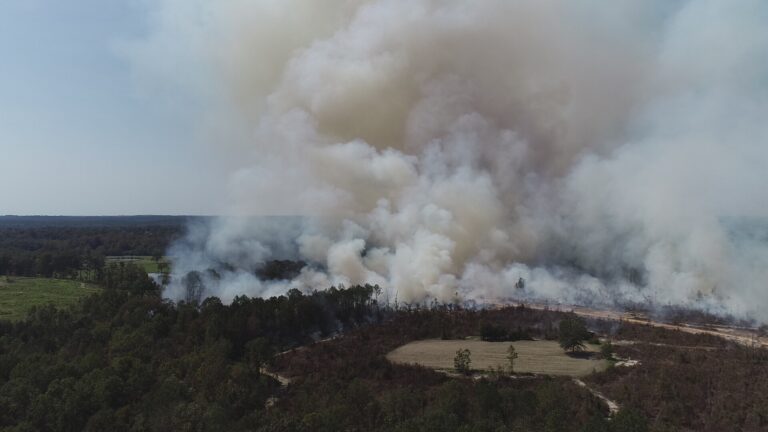
Wildfires are becoming larger, faster, and more unpredictable. Climate change has extended fire seasons, increased fuel dryness, and created extreme fire behaviour that many European agencies had never previously encountered. As a result, firefighters are increasingly forced to operate well beyond the reach of conventional fire engines. Road access may be impossible, the terrain can be extremely steep, and water sources are often located hundreds or even thousands of metres from the fire edge.
This has fundamentally changed the role of portable pumps. They have become strategic assets capable of extending water supplies wherever firefighters can physically carry equipment.
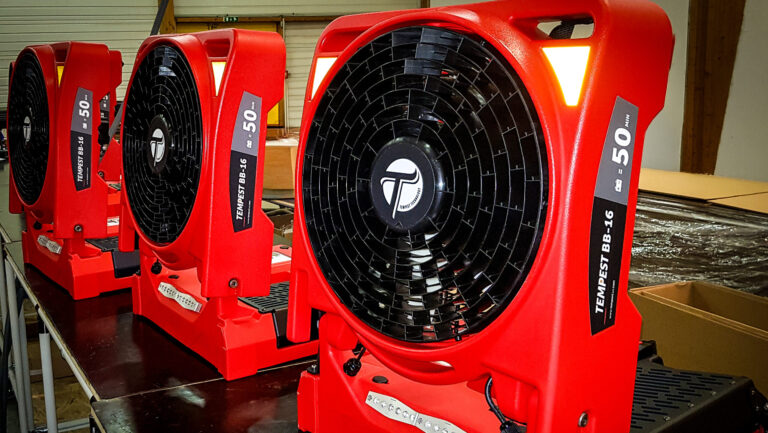
Today’s operational requirements demand pumps that combine high pressure, high flow, lightweight construction, exceptional reliability, and rapid deployment. Crews need equipment that can be carried over difficult terrain while still providing sufficient hydraulic performance to establish long relay systems.
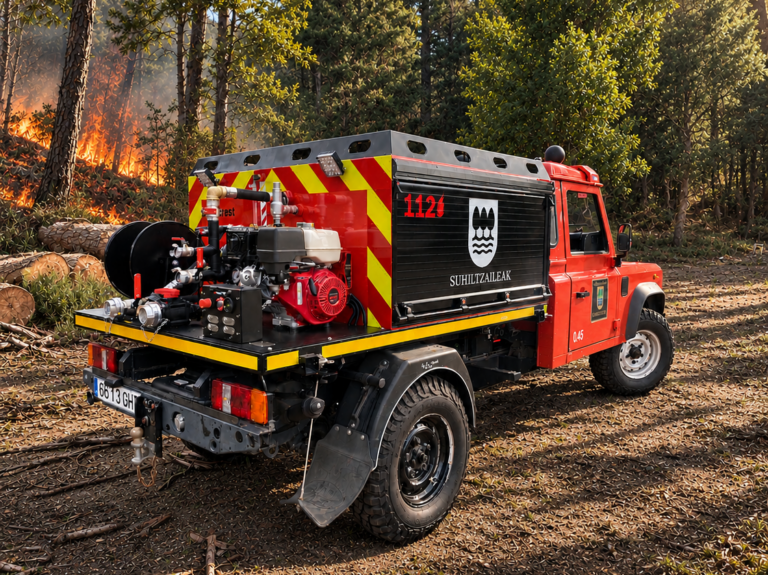
We are also seeing greater interest from agencies traditionally focused on vehicle-based suppression. They are beginning to recognise that portable pumps can significantly increase the operational capabilities of their fire engines when carried as complementary equipment. They extend the vehicle’s reach, enabling firefighters to establish water supplies and continue suppression operations far beyond the limits of road access.
TO READ THE FULL ARTICLE, READ OUR NEW ISSUE.