
A firefighting technology claiming to reduce firefighter heat exposure by up to 98% is attracting growing attention across the fire service as departments seek safer and more efficient ways to tackle increasingly complex incidents.
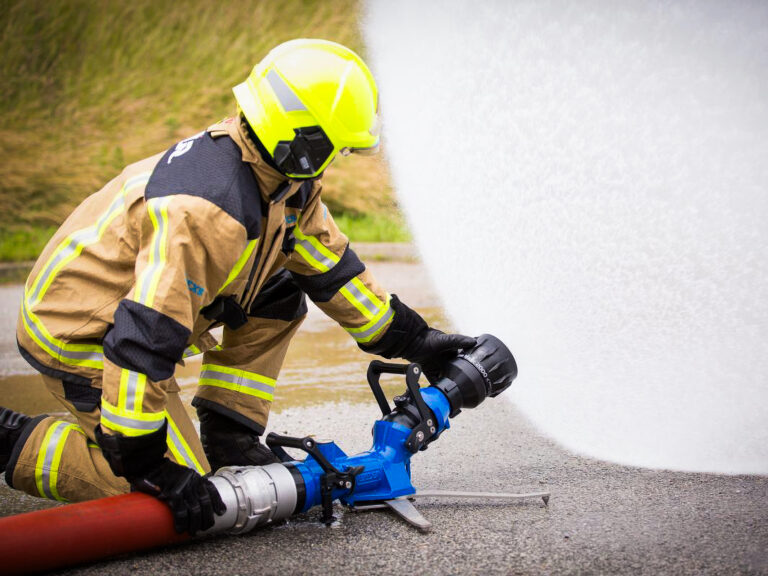
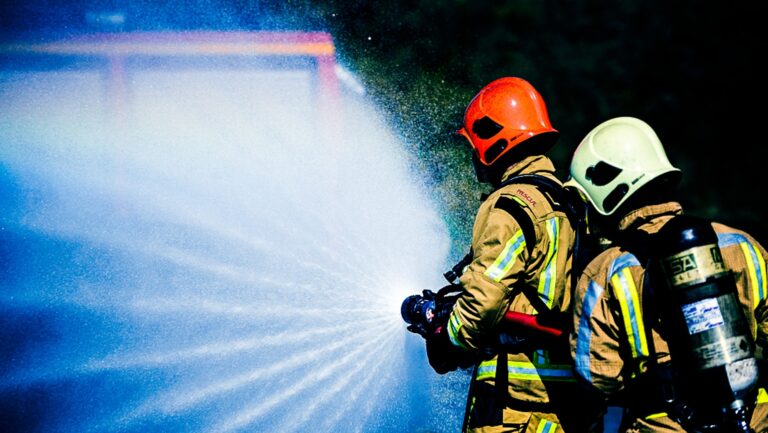
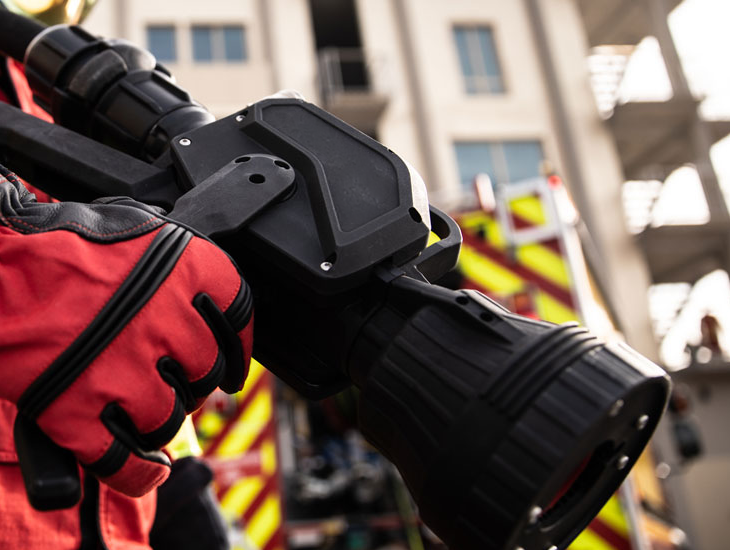
The DIPHASIC system from LEADER GROUP uses an air and water mixture to create a high-speed mist made up of more than 1.5 billion micro-droplets per litre, offering an alternative approach to traditional water application methods.
Improved firefighter safety
According to controlled testing, the DIPHASIC mist can provide up to 98% protection against radiant heat flux.
The system is designed to significantly reduce thermal and toxic exposure, stabilise dangerous fire behaviour such as flashover and backdraft conditions, and improve firefighter safety during internal attack operations.
The technology also rapidly cools smoke and hot gases, improves visibility within compartments and enables crews to reach fires without maintaining a direct line of sight.
Efficient use of water
Unlike conventional straight streams, the mist disperses throughout a compartment, moves around obstacles and acts directly on hot gases.
Rather than increasing flow rates, the system focuses on maximising the effectiveness of every litre of water used.
In some operational configurations, water consumption can be reduced by four to six times while maintaining firefighting effectiveness.
The lighter hose setup can also make progression through confined environments easier for crews.
Supporting property conservation
In addition to firefighting performance, the system aims to reduce collateral damage by limiting water runoff, lowering restoration costs and reducing the risk of ceiling collapse caused by excessive water loading on compromised structures.
The technology is particularly suited to structural fires, confined spaces, underground car parks, remote locations with limited water supplies, and naval and airport firefighting operations.
Developed with firefighters
DIPHASIC was developed in collaboration with the Paris Fire Brigade and several fire departments through real-scale testing and scientific validation. Operational deployment has been ongoing since 2023.
The developers emphasise that DIPHASIC is intended as a complementary tool rather than a replacement for existing firefighting techniques, providing crews with additional tactical options based on incident conditions.