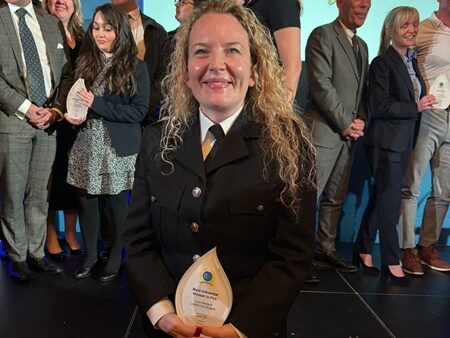
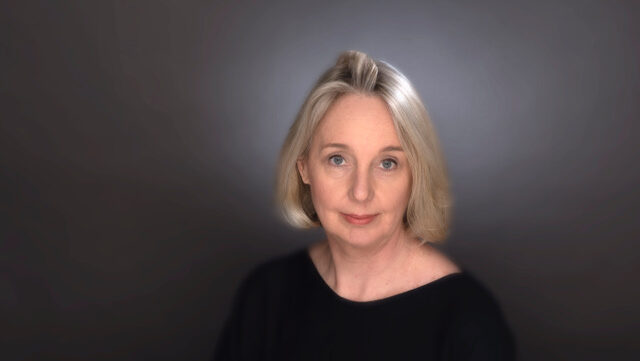
Gill Kernick is Director of Strategy and Culture Realisation at Arup, where she leads global work on safety culture and supports the translation of organisational strategy into lasting change.
She has several decades of international experience across high hazard industries, including oil and gas, pharmaceuticals and mining. Her specialist areas include organisational culture, systemic change and the prevention of catastrophic events.
Kernick’s work explores how safety can contribute to stronger leadership and wider organisational transformation, with particular emphasis on learning from major incidents and incorporating the experiences of those directly affected.
Learning from Grenfell Tower and other disasters
Between 2011 and 2014, Kernick lived on the 21st floor of Grenfell Tower. Her subsequent work has included advocating for lessons from catastrophic events to inform systemic change, with resident and frontline perspectives incorporated into approaches to safety.
She is the author of Catastrophe and Systemic Change: Learning from the Grenfell Tower Fire and Other Disasters. First published in 2021, a fully revised and expanded second edition was released in 2026, incorporating the final findings of the Grenfell Tower Inquiry.
Independent Chair of the BSR Residents’ Panel
In August 2026, Kernick was appointed the first Independent Chair of the Building Safety Regulator’s statutory Residents’ Panel.
Established under the Building Safety Act 2022, the panel provides a formal mechanism through which residents can share their views and experiences. Its role includes helping the Building Safety Regulator understand the impact of its work and informing its regulation of higher risk buildings.
The Independent Chair is a voluntary position, which Kernick holds in a personal capacity. She leads the panel in providing independent advice and holding the Building Safety Regulator to account, with the aim of ensuring resident perspectives remain part of its work.
Her professional experience brings together safety culture, organisational transformation, systemic change and resident engagement within the evolving building safety regime.