Latest Edition Online April 2011
We’re sorry, your browser doesn’t support IFrames. You can still visit this item., however.
Latest Edition Online April 2011 Read More »

We’re sorry, your browser doesn’t support IFrames. You can still visit this item., however.
Latest Edition Online April 2011 Read More »
New developments in vehicle technology increase complexity & potential safety risks for emergency services. In the automotive industry new developments and technologies are evolving quickly. The use of high-strength steel, reinforcements and numerous safety restraint systems in modern vehicles provide excellent protection of the occupants during a crash. Due to all these builtin safety systems the occupant survival rates during traffic incidents has increased significantly. Also, vehicles are more and more often equipped with alternative propulsion systems, making them environmental friendly due to their low emission. After the crash however, all these new technologies present new safety hazards and challenges to the emergency services when responding to the incident and extricate occupants trapped in the vehicle. Not only the safety restraint systems like airbags and belt pretensioners, but also the new environmental friendly propulsion systems present new safety risks. What does a first responder need to know when such a vehicle is involved in an accident? What exactly are the challenges and hazards that such vehicles present? What knowledge is required to respond safely and effectively, but most important, what knowledge is irrelevant and overkill? It is the mission of Moditech Rescue Solutions B.V. to provide the relevant tools and skills required to effectively respond to today’s traffic incidents around the world. The solution: Know what’s inside with the Crash Recovery System®! Moditech Rescue Solutions B.V. has recognised the need of an effective and practical solution for these challenges at a very early stage. Back in 2003, this awareness led to the development and introduction of the Crash Recovery System®: a mobile vehicle safety information database available for virtually every laptop or tablet PC in 18 languages. Using this information system at the scene of the accident, emergency services can quickly and easy access all relevant information about the vehicle’s safety systems and propulsion type. Moditech Rescue Solutions B.V. offers emergency services the missing link in emergency response: digital vehicle information. The selection of the correct vehicle model is automated by entering the license plate or VIN number. Using any mobile (3G) internet connection, the correct vehicle model is then selected within seconds. As a backup method in case the mobile network is unavailable, manual selection of the vehicle model is always possible as all vehicle data is stored on the local hard drive. Immediately after completing the selection, an interactive and model-specific top- and side view graphic is displayed on the screen. Depending on the country, right hand drive or left hand drive vehicles are available in the database. The interactive top- and side view of the vehicle displays all hazardous vehicle safety components as well as other relevant items such as the battery, fuel tank, windshields, etc. in a single window. In the case of a vehicle with alternative propulsion, a notification screen is automatically displayed. In addition, all required deactivation procedures for quick and safe immobilisation of the vehicle are shown. In the graphic display, component information and possibly, deactivation instructions, are easily accessible by clicking on the component of choice in the diagram. With this unique functionality, the Crash Recovery System® ensures an efficient and safe extrication process and supports first responders in choosing the best and safest methods. Moditech Rescue Solutions B.V. maintains a close cooperation with all major car manufacturers, resulting in an unmatched online update frequency of our data for the Crash Recovery System®. Moditech Rescue Solutions B.V. has a worldwide network of experts from the rescue and car industry who is continuously preparing the required information and make this available at the same time a new vehicle model is available on the market. Editions and options The Crash Recovery System® software is available in five editions: the ‘Lite edition’, the ‘Standard edition’, the ‘RDW edition’, the ‘VIN edition’ and the ‘Web edition’. All editions feature manual selection of the vehicle through make, model, type and year of the vehicle. The Lite edition provides vehicle models and graphics containing danger zones and safety component locations only and is updated once a year. The Standard edition includes danger zones, locations, deactivation procedures and digital photos of all relevant safety components. With the RDW edition, vehicles selection is automated using the license plate number (only available in certain countries, see our website www.moditech.com for a full list of countries included). The VIN Edition is currently available for the North American market only. It allows the selection of the vehicle by entering or scanning the 17-digit VIN number. The Web edition provides real-time internet access to the Crash Recovery System® database. With a prepaid credit balance or yearly flat rate subscription, users have access to all databases. Purchasing credits is easy via the web shop of Moditech Rescue Solutions B.V. All editions run on every modern Windows PC, laptop or tablet PC. Also mobile / smartphone platforms are supported. For detailed information regarding hardware options and requirements, contact [email protected]. Online updates The Crash Recovery System® has been developed with the future in mind. As a result, database and/or software updates are available online every 2 weeks (except for the Lite edition). This ensures that the information in the database is always up to date, with the latest developments in the automotive industry available for the emergency services. Emergency services have the option to schedule online update retrieval using a central update server at their premises or download updates directly from the update server at Moditech Rescue Solutions B.V. The Crash Recovery System® software is available in five editions containing all relevant vehicle information for emergency services e-Call As a member of the European project committee for of the e- Call development, Moditech Rescue Solutions B.V. is setting the standard in the use of e-Call information effectively. Vehicles equipped with e-Call transfer valuable crash data directly after the crash to the alarm central. This data will be used to identify the vehicle involved in the incident and this information is then transferred automatically to the Crash Recovery System®, allowing emergency services to review the vehicle
Mobitech knows what you really need to know Read More »
Certification benefits the buyer For those involved in specifying or buying fire products there are challenges and demands to be met in managing and reducing risk as well as ensuring that liabilities are covered, corporate manslaughter obligations addressed and Health & Safety regulations complied with. Reducing risk remains a key target for most organisations today and testing and certification are effective ways to do this, whether because of legal obligations or voluntary commitment, they demonstrate that products or services meet certain minimum criteria in terms of quality or safety and so can add much needed reassurance to specifiers and buyers. Arguably the most prestigious of certification marks is BSI’s own Kitemark. It is a voluntary mark, so clearly the manufacturer or service provider has opted to raise their product standard to meet the more substantial quality and safety requirements of a Kitemark scheme. In so doing, they can proudly stand above other non-Kitemark products and services. Consumers have said they believe Kitemark products to be safer and that they trust them. For fire product specifiers and users it means you, your organisation and your customers can rely on the equipment to offer the best protection. BSI has an impressive portfolio of fire product certification and has some of the finest expertise in the industry qualified to test and certify fire products. As such you can look for Kitemark on any of the following products for peace of mind as well as demonstrating your commitment to safety Fire detection ALARMS: The key to a reliable and successful fire detection and alarm system in terms of offering the maximum protection of people and assets, while reducing false alarms, is to use the correct type of detector, in the correct site, to cover the risk as appropriate. Domestic use: Smoke/heat or CO alarms: The primary purpose of the smoke, heat or CO alarm in domestic dwellings is the protection of life as opposed to the protection of property and assets. Combination alarms: Domestic alarms can incorporate three or four types of sensor such as heat, smoke and CO within one alarm unit. Combustible alarms: Combustible gas alarms warn of the presence of gas. This type of alarm samples air at regular intervals and provides an immediate alert to leaks of natural gas, propane or butane. Voice alarms and alarm systems: People tend to react quicker and more appropriately to clear instructions than to the sound of bells or sirens. They relay clear and precise speech messages, helping to minimise uncertainty and confusion in an emergency situation. Smoke alarms for the deaf and hard of hearing: Smoke indicators for the deaf and hearing impaired take one of two forms a) visual – using a beacon and b) Tactile – in the form of a vibrating pad Installation of visual smoke alarms in sleeping areas satisfies Part M of the Building Regulations. Commercial use ; In commercial use the fire alarm must perform a wider function – it must be linked to Control & Indicating Equipment (CIE) so that the appropriate action is identified and activated. Smoke detectors: Sometimes called sensors, are sensitive to smoke in the surrounding atmosphere. Heat detectors: These detect changes in ambient temperature and send an alarm state to the CIE. Multi-criteria detectors: These are a combination of smoke and heat sensors which enter the alarm condition when exposed to predefined levels of smoke or heat or both. The alarm state is then sent to the Control and Indicating Equipment (CIE). Control & indicating equipment & supply Control and indicating equipment: The fire alarm control panel or Control and Indicating Equipment (CIE) is the main switchboard of the fire detection and alarm system and can give detailed or more general information. Extinguishing panels: Fire extinguishing panels or Electrical Automatic Control and Delay Devices (ECD) are used to protect specific high risk or high asset value areas such as computer suites. Power supply: These are used as part of, or independent to, the control and indicating equipment. They can be used by any application in a fire system that requires an additional power supply, such as aspirating smoke detectors. Input/output devices: These are used to add extra functionality to a fire system, acting as an interface between the fire system and its peripheral devices for example to initiate plant shutdown or activate smoke dampers. Short circuit isolators: These are used to protect the detection loop from damage due to short circuit fault conditions. Sounders: Sounders or fire alarm devices are the fire detection and alarm system’s means for alerting the occupants of a building to potential or imminent danger from fire – inside or outside. Manual call points: The most reliable form of fire detection is still human observation so fire detection and alarm systems always include the Manual Call Point (MCP) so someone can physically raise the alarm. Fire alarm system installation The Chief Fire Officers Association (CFOA) now strongly recommends third party certification by a UKAS accredited organisation for companies who design, install, commission and maintain fire detection and alarms systems. Fire fighting & suppresion Fire extinguishers All fire extinguishers must be coloured red regardless of content. However, a patch of colour, taking up no more than 5% of the surface area will indicate the type of extinguishing content. The colours and uses are: RED Water – for wood, paper, textiles and solid material BLUE Powder – for liquid and electrical fires and some metal or gaseous fires with no explosive risk CREAM Foam – for all liquid fires and wood, paper, textiles and organic material BLACK Carbon Dioxide – for liquid and electrical fires YELLOW – Wet chemical – for fires involving cooking oils or fat Fire ratings: Extinguishers are related to risk by class and area of fire for which they are suitable and all fire extinguishers display these prominently for the relevant types of fire. Fire blankets: Often used in kitchens they are also an effective method of smothering fire on a person Fire hoses &
Research objective and market segmentation Geography Western Europe Research objective and market segmentation The objective of this research service is to track the trends, growth, dynamics and recent developments in the western European firefighter personal protective equipment (PPE) market from 2006 to 2016. This study segments the market by product type as follows: fire helmets, self-contained breathing apparatus (SCBA), turnout gear, fire gloves and fire boots. The base year is 2009. Total firefighter PPE: Market Segmentation (Western Europe), 2009 Introduction The total western European firefighter PPE market is in the mature stage, with limited opportunities for growth. This is due to the less number of new end users as well as the relatively long intervals between product replacements of the various PPE used by firefighters. The market is stable and has more scope for replacements. Though the sales are likely to decrease gradually due to the consolidation of fire departments across Europe, it will not affect the market drastically in the short term. However, the total western European firefighter PPE market will stabilise once the consolidations are completed. The mature state of the total western European firefighter PPE market is characterised by intense competition. This has resulted in competitive pricing strategies by large manufacturers. Although the total western European firefighter PPE market is not growing significantly, most firefighter PPE manufacturers are realising the potential of firefighter PPE markets in Eastern Europe, China and the Middle East. Key Findings The total Western European firefighter PPE market was worth 412.7 million in 2009 and is forecast to increase to 439.2 million by 2016, presenting a 26.5 million opportunity. The market witnessed high growth rates in 2008 and 2009 due to upgrading of fire helmets, which can be attributed to an update of legislation, as well as technology developments in the SCBA market. Though the market witnesses growth in terms of units, competitive pricing limits its revenue growth. As with all PPE markets, growth of the firefighter PPE market is dependant on the end-user industries requiring these PPE. As the number of firefighters is not set to increase, revenue growth in this market will be nominal. The SCBA market has the most significant opportunity, despite having the smallest revenue share in the total firefighter PPE market. This is due to the relatively long lifespan of the product. The fire boots market has the second most significant growth opportunity. The turnout gear market provides growth opportunities of moderate significance, while the fire helmets and fire gloves markets provide the least significant growth opportunity. Market Structure The firefighter PPE market is fragmented, with its leading participants catering to one country rather than entire Western Europe. The SCBA and fire helmets markets are the most consolidated. Key market participants include MSA, Dräger Safety, Rosenbauer, Schuberth, Casco, PAB, Bullard, Sicor, Scott, Sperian, Interspiro, W+R Seiz, Eska, Procoves, Texport, Southcombe Brothers, Bennet Safetywear, Viking Lifesaving Equipment, Bristol Uniforms, Lion apparel, Cosalt, Sioen, Carhartt, HAIX, Fal Seguridad, Jolly Scarpe, Steitz Secura, baltes, Hevea, Harvik, Bekina and Hunter. PPE supplied through local manufacturers is dominant; however, there is an increase in the number of production facilities in Eastern Europe due to the significantly lower manufacturing costs in the region. The preference for a ‘one-stop shop’ and the existence of very few manufacturers that produce more than three PPE required by fire fighters increases the significance of distributors. Both local and international suppliers work through distributors (95 per cent), while some conduct business directly (5 per cent). Purchasing is done either through a central procurement agency (government department, municipality or fire services representative body) or directly with fire services. Public funds are used to purchase PPE. Manufacturers with a strong presence or local subsidiary prefer to conduct business directly; however, it is still dependant on approach followed to make purchases historically through central procurement agencies. Bristol Uniforms, for example, is dominant within the UK market, and it supplies brigades directly. Recommendations and conclusions Recommendations are split into two categories – short medium- term and long-term recommendations. Increasing brand awareness and improving service levels are the important factors in securing contracts, specifically in the short term, for relatively low cost implications. Setting up local offices within target countries is another effective strategy for gaining more market share. Long-term recommendations include geographic expansion, mergers and acquisitions as well as expanding into other firefighter PPE applications. In the stable total western European firefighter PPE market, there are limited drivers; however, improvements in technology are the significant among them, while price war, expansion into other fire fighting applications and shrinking number of end users are the restraints. As the market is stable and has limited growth opportunities, the importance of winning and retaining contracts is more important for manufacturers. Manufacturers can do the following to ensure that they win contracts: Upgrade products according to legislation changes and (if possible) pre-empt legislation changes – If a manufacturer cannot offer products that meet the latest legislation requirements at the time when fire services replace their equipment, they are likely to award the contract to another supplier that is able to do so. Provide excellent customer service and value added services – Servicing customers and ensuring that they are satisfied with the functioning and performance of their products is important. However, providing additional services, such as repair, cleaning, maintenance and life-time tracking, increases customer confidence. Recommendations and conclusions Meet customer needs and adjust to changing roles – Meeting the needs of customers is a basic business success tool, but in a stagnant market, the response to changing needs (such as expansion into other types of firefighting roles) can play a significant role in retaining customers. R&D and new product development – Increased levels of market competition has resulted in manufacturers spending extensive amounts of time on improving the existing products and developing new ones that improve the current performance levels. Innovations to reduce stress on the wearer are becoming important to win contracts, and constant R&D is vital to retain contracts.
Frost and Sullivan Read More »
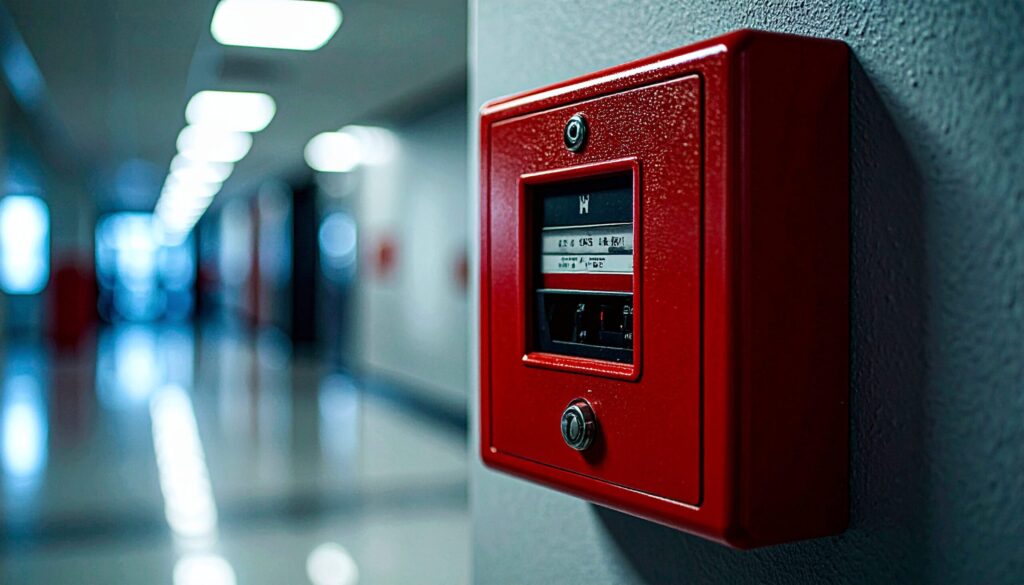
Working closely with major trade associations, regulators, enforcement authorities, installers and international bodies, Exova Warringtonfire believes in the highest levels of safety and quality across its diverse range of fire testing, engineering and certification services. With more than 40 years’ experience, it is a world leading authority independent fire and security testing, fire engineering and certification organisation. It offers a diverse range of specialist fire safety and security services to international markets from a network of accredited sites around the world including Europe, the Middle East, Asia and Australia, with a network of accredited laboratories to enable the very latest standards, legislation and compliance. The company works with manufacturers, suppliers, designers, architects and engineers across a wide range of sectors including construction, rail, aerospace, automotive, marine, oil & gas, power generation and defence. When it comes to fire testing, Exova Warringtonfire has considerable experience in assessing the performance of materials and constructions by replicating standardised fire scenarios. Its knowledge of material behaviour and fire protection products position the company as a market leader in the field of fire safety and its commitment to excellence is reflected with representation on numerous national and international committees. In addition to its comprehensive range of standardised product testing, Exova Warringtonfire also conducts many bespoke tests which range from desktop analysis to complex large-scale projects. All tests can be undertaken to meet national and international legislation and standards, and a close relationship with customers ensures that all test specimens are prepared, tested and reported to a very high level. John Willox, Director of Exova Warringtonfire, said: “Our global reach means that we are highly placed to deliver our specialist knowledge to help companies working regionally, nationally and internationally. “We have involvement at all levels including enforcement authorities, regulators, installers and trade associations. Our knowledge and experience places us firmly ahead of developments and means our understanding of fire safety is unrivalled. “Every day we communicate with manufacturers, suppliers, specifiers, product designers, engineers and architects to not only ensure that each product-design complies with the appropriate regulations and standards, but also to give them absolute confidence that they are working with the most reliable and professional fire safety teams in the world. “No matter who we work with, we have the confidence on delivering the same level of excellence in all aspects of fire safety for any project large or small, offering ongoing advice to ensure the best possible results and to create solutions that will exactly meet the needs of business.” John Willox was formerly Hilti global Vice President of Marketing – Fire Protection Systems. He has more than 25 years’ experience in the construction industry supply chain, 22 years of which have been with the Hilti Group both in the UK and at the company’s corporate HQ in Liechtenstein. In the last 10 years, he has held senior positions within the area of fire protection and HR. He has extensive experience in the development of fire protection strategy throughout Europe, North America, the Middle East and Asia and will be responsible for driving Exova Warringtonfire’s position in the fields of fire testing, advisory and certification from its laboratories and offices in Europe. Indeed, design teams and clients are becoming increasingly global in their approach, with designers located in one country developing solutions for buildings on the other side of the world. There is a wide range of standard guidance on the design of fire safety wherever in the world you are. Some of these documents can be relatively complex or may have a range of possible approaches. Exova Warringtonfire can identify the best guidance document or approach and can assist in developing the fire strategy to meet those regulations. In some cases the design would also benefit from more detailed fire modelling to support or justify certain aspects to the design. For example, smoke modelling might demonstrate that a particular space will remain tenable for a long period of time, which would help justify longer travel distances than would normally be allowed. Incorporating smoke extraction within a design may also achieve a similar result. Exova Warringtonfire’s engineers are also experts in all types of fire modelling, including computational fluid dynamics (CFD) smoke modelling, evacuation analysis, structural fire engineering and radiation analysis, and can therefore identify the best approach for any particular situation. As part of its range, Exova promotes its independent accredited certification and inspection of fire protection and security products and services through Warrington Certification Ltd (WCL), a nonprofit company. WCL has more than 25 years’ experience of working closely with all sectors of industry, including manufacturers, installers, assessors, specifiers, regulators and enforcement authorities to deliver services to a diverse range of clients around the world. Its services assist in delivering competitive advantage and peace of mind for its customers by continually pushing the boundaries in the fire protection industry to help safeguard buildings and the people who use them. WCL is recognised worldwide by regulators, enforcers and market influencers as the leading supplier of independent certification services supporting the global fire protection and security industry. www.warringtonfire.net www.warringtoncertificaiton.com
Fire experts enable compliance worldwide Read More »
Label: Kitemark Specifiers Title: Risk and Reward Teaser: Certification benefits the buyer Label: Training Label: Apps Label: Vehicle information systems Title: Moditech knows what you really need to know Teaser: Research objective and market segmentation Teaser: Emergency services vehicle information systems
International Fire Buyer April 2011 Read More »
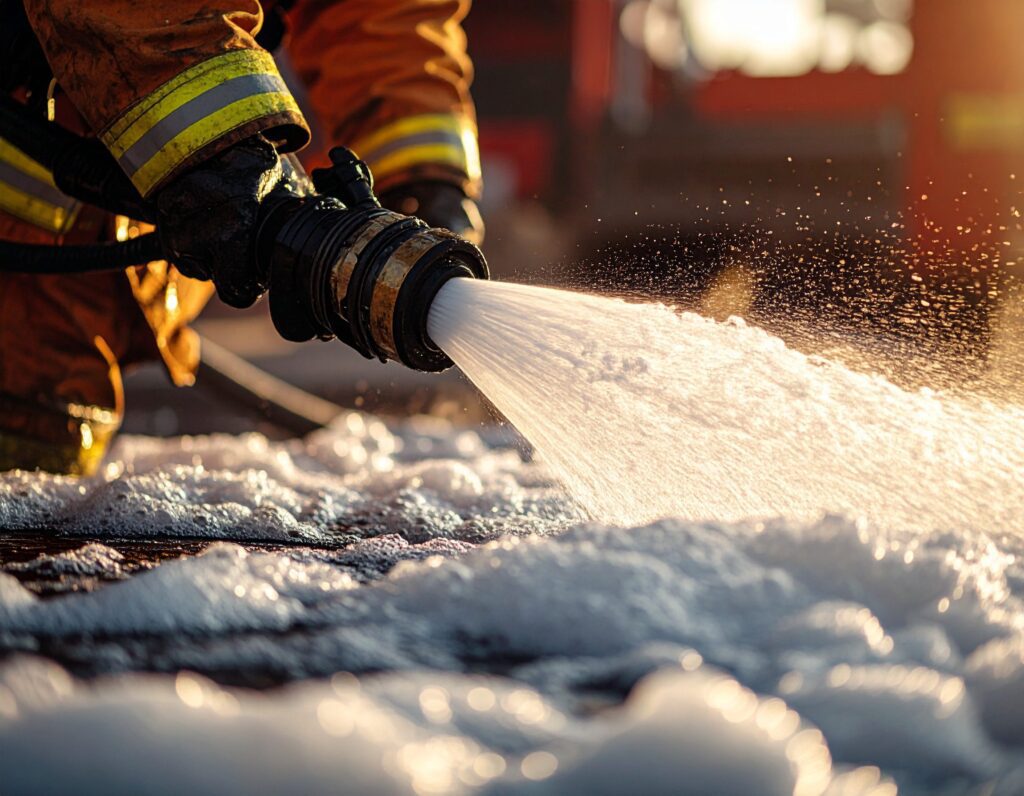
Johan Biörsmark has been recruited as the new CEO of Cold Cut Systems Johan Biörsmark has 18-years experience from fire fighting and fire brigades where he has worked as a fire fighter as well as in leading positions. Johan has previously successfully worked with sales at Cold Cut Systems. The current CEO Lars Hellström has on his own request chosen to resign as CEO. Lars Hellström will continue to work for Cold Cut Systems as a Senior Advisor and will thus remain within the company sphere. Lars Hellström leaves Cold Cut Systems after serving as CEO for 3 years. Johan Biörsmark will begin April 4th 2011. “Johan’s most important challenge will be to lead the way for Cold Cut Systems’ continued market expansion, nationally as well as internationally. With his experience, commitment and leadership Johan will contribute to Cold Cut Systems’ future development” says Ditlef Fürst, newly appointed Chairman of the Board of Cold Cut Systems. Next generation fire fighting More than 500 systems of the Cold Cut Cobra cutting extinguisher have been delivered worldwide, and it provides the fire fighter with a unique and highly efficient method to fight fires from the outside, at safe distance from the fire, by using high pressure water cutting to penetrate all building materials extremely quick. The water mist created on the inside drastically lowers temperature and thus in an efficient way extinguish the fire. The method has been developed in close cooperation with Swedish authorities, and it does not only make fire fighting more efficient, it also enables a safer working environment for fire fighters. For further information: www.coldcutsystems.com
New CEO of Cold Cut Systems Read More »
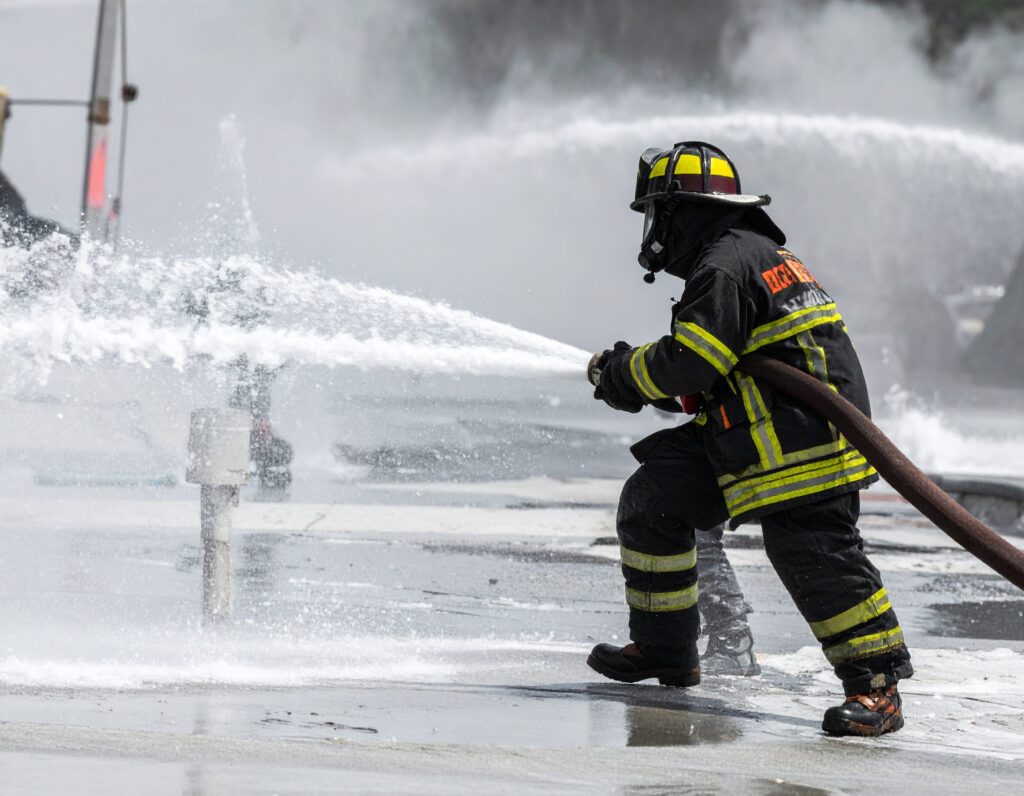
See Draeger’s new Chemical Protection Suits at Emergency Services Show, Scotland As a result of working closely with customers to continue to understand their needs, Draeger has developed the CPS 7900, a gas-tight chemical protection suit. Even when being dragged along the ground or any other abrasive surface in a rescue situation, this reusable suit maintains wearer protection from hazardous substances. Should an outer layer be damaged, the wearer is kept safe by the use of a new tear-proof, five-layer, laminated D-Mex material which protects against chemical effects, bursts of flames and toxic and cryogenic substances. For additional safety the wearer’s arms remain in the suit sleeves at all times, ready to respond through the inclusion of a pressure gauge holder in the field of view. Freedom of movement and full awareness of the environment are vital to ensure a quick reaction. These are assured by the comfortable, ergonomic design and an almost natural field of vision through the anti-fogging visor. The ability to operate in a broad range of environments is essential; the D-Mex material is safe to use in potentially explosive environments and also offers protection from contact with extreme temperatures as low as -80C. Faster recovery in man down situations can be aided by the Draeger-Connect system, allowing the rescuer to grip the suit of the wearer. Hands can also be kept free as this same system can be used to carry tools and equipment into an incident. Offering a lifetime cost reduction because of the 15-year suit life, further savings in both time and cost can be achieved by reduced stock variables. For example, correct glove selection and fitting is fast and easy with the quick change patented cuff lock. An integral height adjuster allows pace length to be adjusted to suit the wearer and means that fewer sizes need to be stocked to suit the requirements of a diverse workforce. The selection of different boots for different tasks is also made safe and easy by the inclusion of gas-tight socks. Allowing easy integration with existing equipment, the suit is compatible with other forms of PPE such as helmets and face masks, the suit can also be connected to an external source of air for long duration work. In addition, when working in hot and humid conditions, the wearer can be supplied with cool air to ensure maximum comfort and performance. Meeting European and International standards such as EN 943-2 and the SOLAS convention, the Draeger CPS 7900 answers the requirements for emergency teams from the fire and rescue services as well as industry. Draeger has been developing and producing chemical protection suits for over 50 years and the CPS 7900 is the culmination of this experience in a range which also includes the new lightweight Draeger CPS 5900 for single-exposure applications. For further information contact Customer Service, Draeger Safety UK Limited, Ullswater Close, Blyth Riverside Business Park, Blyth, Northumberland, NE24 4RG. Tel: 01670 561200, fax: 01670 356266, www.draeger.com.
Model number: F1 SF Make: MSA Weblink: http://www.msabritain.co.uk/uk/products/head-protection/fire-helmets/f1-sf/ Specification Attachment: 36-106.2_F1SF_Leaflet_Rev03_GB.pdf Teaser: Advanced Protection Helmet for Fire-fighters Approved according to the new EN443 :2008, the F1SF helmet sets the new standard for fire-fighter’s head protection and comfort. Dedicated to structural fire-fighting in buildings, tunnels and other structures, it fulfills the growing requirements of fire soldiers in all urban and industrial operations. Thanks to its unmatched comfort, its adjustable mask attachment feature and its interfaces for accessories, it is a true platform for all critical operations when the helmet must not be a burden for the wearer. With the reinforced shock absorption system and its new face shield according to EN14458, it keeps its unique style and remains the reference fire-fighting helmet throughout the world. Main features : ■EN 14458 approved face shield, clear or metal coated, for extended face protection ■Inner ocular visor for rescue and other operations ■Chinstrap interface, adjustable to the wearer’s morphology (4 positions) ■3-point chinstrap with automatic buckle and adjusting straps for optimal stability ■Cradle net for optimal comfort ■Impact absorption padding with aramide layer for increased thermal and mechanical protection ■Foam comfort padding ■Front plate (customisation on request)
MSA – F1 SF [approved to EN443:2008] Read More »
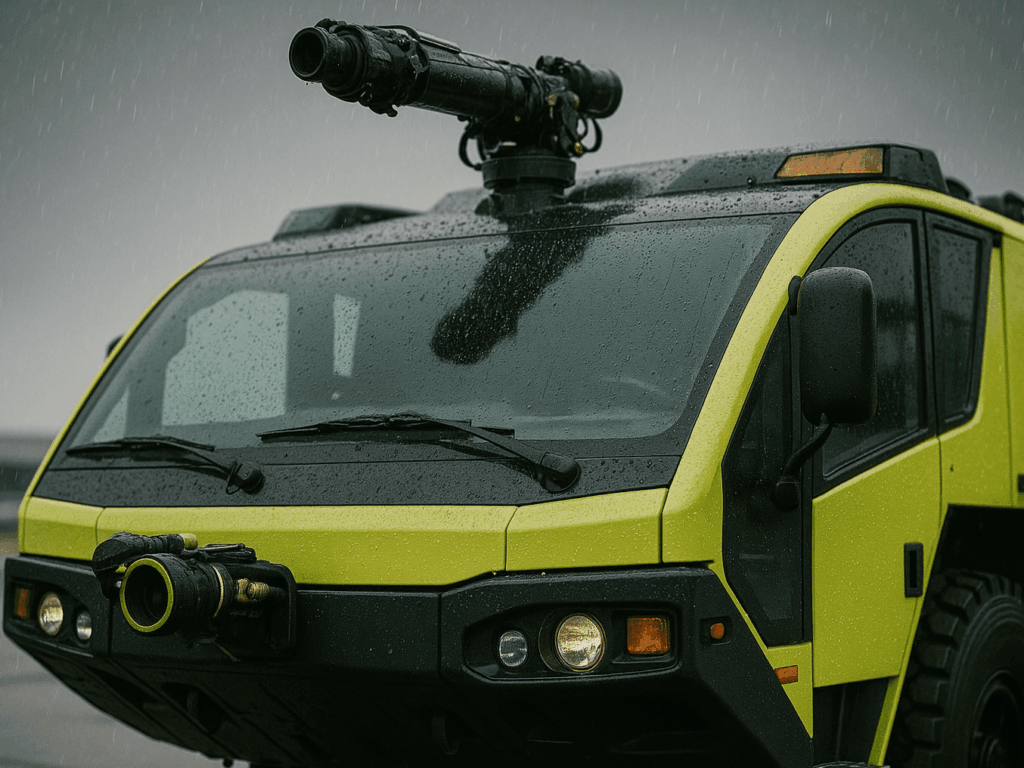
We are pleased to announce that Mission Critical Electronics Inc We are pleased to announce that Mission Critical Electronics Inc. has invested in Kussmaul Electronics Co. Inc. and has promoted Thomas Nugent to President. Ernest Kussmaul will remain with KECO and devote his time to engineering and new product development and to assist the engineering staff. The company will remain in it’s present facility in West Sayville, New York and continue to serve it’s customers with new and innovative products. For more information, please contact: Philip M. Verderosa, Marketing Mgr. Kussmaul Electronics Co. Inc. 170 Cherry Avenue West Sayville, New York 11796 (631) 567-0314 (800) 346-0857 FAX: (631) 567-5826 Email: [email protected]
INC. New president at Kussmaul Electronics Co. Inc Read More »